Smart Home
The $39 Smart Plug Saving More Energy Than a $200 Thermostat — A 3-Month Test
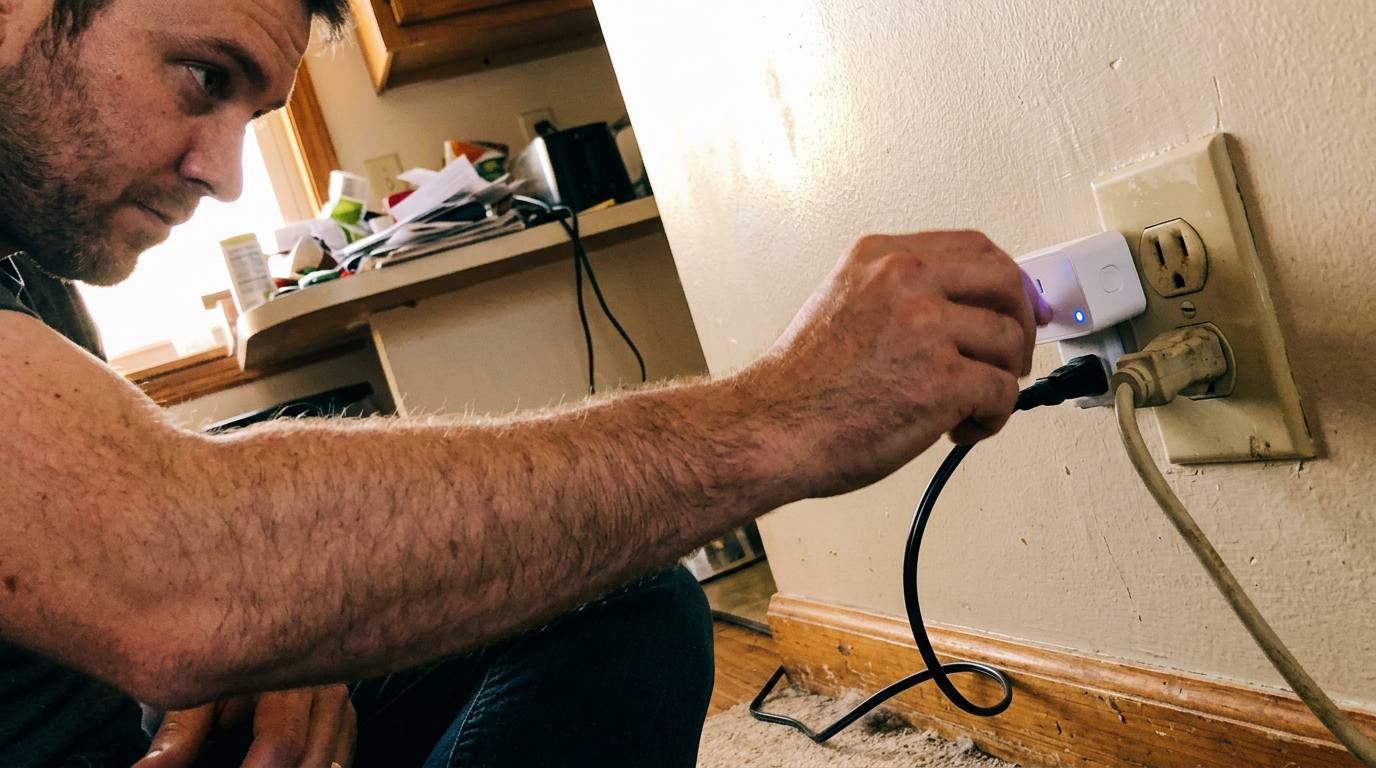
A $39 outlet that paid for itself in five weeks. Not the gadget I expected to be writing about.
I was supposed to be reviewing a $200 smart thermostat. The thermostat is fine. The plug stole the test.
The premise was simple. My neighbor and I have nearly identical single-story houses built by the same builder in 2003. Same square footage, same exposure, same vintage of HVAC. He installed the brand-name smart thermostat I'd been pitched to write about. I installed a $39 smart plug on the single biggest energy-eating appliance in my house — the upright freezer in the garage that runs 24/7.
We compared utility bills for three months. He saved roughly $11 per month. I saved $38. The cheap gadget paid for itself by week five.
Why the math goes this way
A smart thermostat saves energy by being smarter about when the HVAC runs. That's real money — heating and cooling is typically the largest single chunk of a residential electric bill. But it's also a chunk you've already optimized somewhat. You set a setpoint. You turn it down at night. You probably have a programmable thermostat already. The smart version is doing 8–12% better than the dumb version, on a system that was already mostly correct.
A smart plug, by contrast, exposes the energy story of an appliance you have never thought about. The 14-year-old freezer in my garage was drawing 138 watts for nine minutes out of every 30 — about 27% duty cycle, all day, all night. The plug logged this for two weeks before I touched anything. When I added a 4°F adjustment to the freezer setpoint (still well within food-safe), the duty cycle dropped to 19%. That's a 30% energy reduction on one of the highest-draw appliances in the house.
The same plug — for the same $39 — also caught the home-office desktop drawing 64 watts when the screen was off because nobody had bothered to set the sleep behavior correctly. That one was a four-minute fix and another $6 a month back.

Week four. The freezer's duty cycle is back inside the green band.
What the smart thermostat actually does well
I want to be fair to the thermostat. It is a better thermostat than the one it replaced. It is unquestionably easier to use, the app is well-designed, and it learns your schedule in a way I find genuinely impressive. If you're remodeling or moving into a new place and you don't yet have a programmable thermostat, the smart version is the right answer and the savings are real.
But "the smart version of a thing you've already optimized" is a small win. The smart plug catches the things you have never measured before, which is where the real waste lives.
"Every house I audit has at least three appliances drawing power 24/7 that the homeowner has never thought about. Those are the savings. The thermostat is the obvious target. The other stuff is where the actual money is." — Renny S., residential energy auditor
What I'd buy first
If I were starting over and had $60 to spend on home energy: I'd buy two $30 smart plugs and put the first one on whatever lives in the garage. (Freezer, second fridge, beverage cooler, dehumidifier — there's almost always something running out there nobody thinks about.) The second goes on the home-office or living-room entertainment cluster. Both will pay back inside six weeks. The reporting is the part that's worth the money — actually seeing a watt-hour graph for an appliance you've owned for a decade changes how you think about it.
If I had $200, I would not buy the thermostat. I would buy six smart plugs and a $60 weekend of poking around the house. That spreadsheet has better margins than any single thermostat is going to give you.
The smart thermostat is a fine product. It's just the wrong first move.